· Axite
Anyone Can EEG - The Beginning
Not all science starts in a lab, sometimes it starts far more adventurously
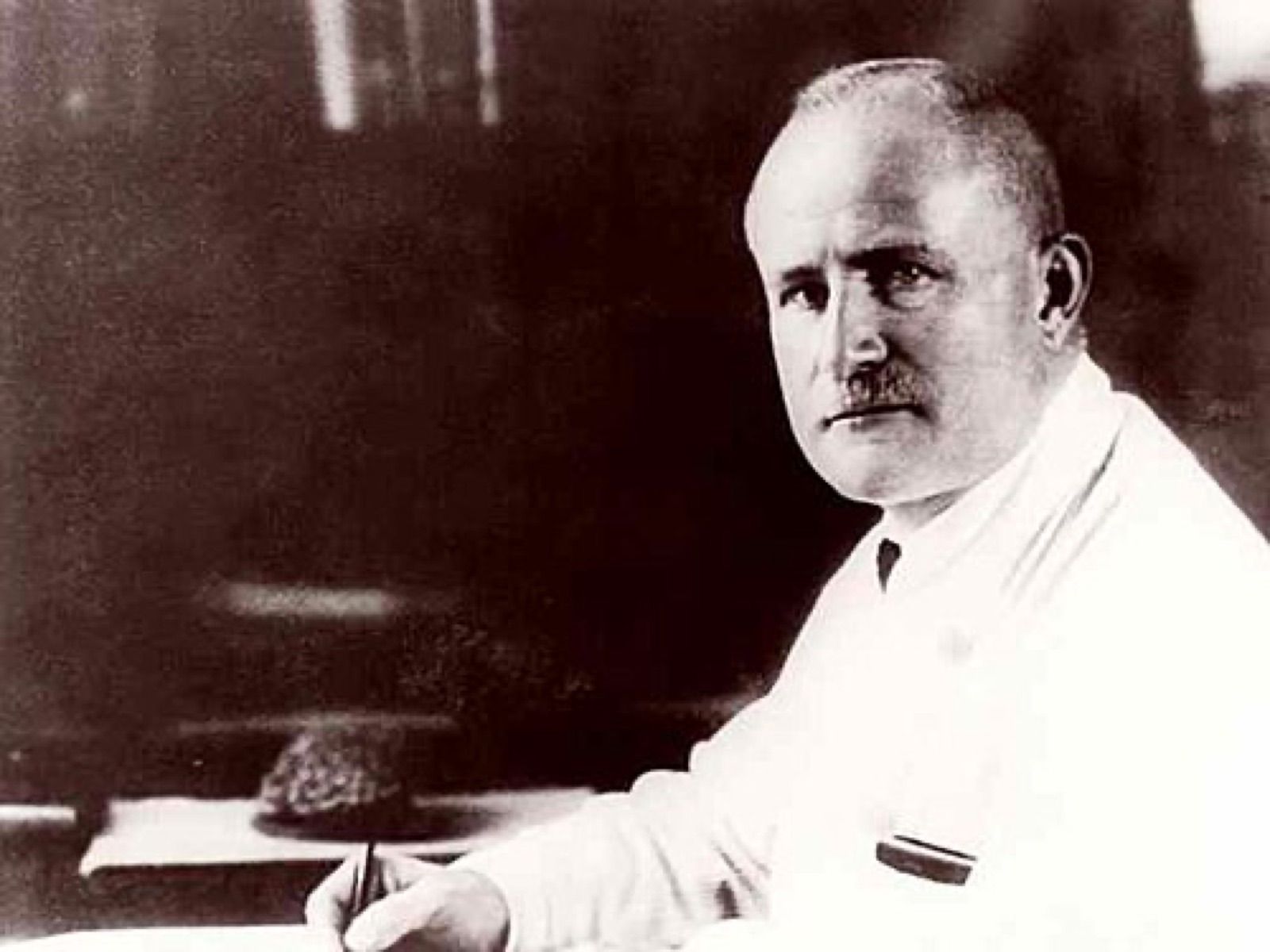
Not all science starts in a lab, sometimes it starts far more adventurously.
This story starts with a young soldier, Hans Berger, who nearly escaped death in 1892. While falling off his horse, he landed in front of a moving heavy cannon. He saw his life flash before his eyes, but at the last moment the cannon stopped! That same evening, something happened that affected his life far more deeply than the accident itself: he received a stirring telegram from his father. His sister, who was hundreds of kilometers away, was suddenly overcome by an intense, ominous fear. This feeling started at the exact moment of the incident. Quite a coincidence, don’t you think? For Hans, there was no such thing. He was convinced that his fear of death had somehow reached her, maybe through psychic telepathy?
This moment marks the beginning of a lifelong obsession: finding the physical energy through which the brain transmits thoughts.
Before Berger cracked the code with EEG, he endured nearly a decade of struggle and frustration. From 1901 to 1910, he chased every possible lead, desperate to unlock the mysteries of the brain.
At first, he boldly tried measuring blood flow to understand the brain’s mysterious workings. But the signals were too weak and unclear, so Berger moved on.
Not discouraged, he pushed further, attempting to measure heat directly from the brain. Using a thermometer, he hoped mental activity would show a change. Instead, the readings were erratic and far too high, making his theory impossible and leaving him puzzled.
His breakthrough seemed to lie in electrical signals: the tiny currents within the brain. But the machines were noisy and unreliable, turning his hope into frustration with every attempt.
It all sounds fun and games, this experimenting, but it took Berger quite some time to get out of this slump. By 1912, Berger was promoted to senior physician. Finally, he had some personal success, but his research ambitions slipped into the background. Then came World War I, during which Berger’s lab work froze, but his mind didn’t! When he was assigned a position with few duties, he spent his time sketching bold postwar plans to uncover the mysteries of “psychic energy.”
Peace, however, left no room for these plans. Many colleagues questioned his science and politics and shut their doors to him. But don’t forget: this is a story about a young soldier. While someone else might have cut their losses and returned to what was safe, Berger carried on. He finally returned to the lab! This time, he changed tactics. Instead of listening to the brain, he decided to provoke it. By waking the cortex and shocking the brain into action, he hoped to expose its secrets: how much energy was used by different areas of the brain. For Berger, this was no longer just observation; it was finally uncovering the truth. On July 6, 1924, after 22 years of doubt and persistence, Berger captured reliable electrical activity of the brain: an EEG!
Here’s an interesting fact: because of Berger’s unconventional methods, it was difficult to find participants. That’s why he turned to his own son, who underwent dozens of EEG sessions. This helped him identify clear brainwave patterns in healthy subjects.
As you can see, like many great artists, Berger wasn’t appreciated in his time. Other scientists were skeptical of his tactics and his capabilities. In his quest to uncover how minds connect, Berger ultimately found himself disconnected. Sadly, Berger’s life ended tragically. After retiring and struggling with physical and mental problems, he committed suicide in 1941.
Luckily, Berger was still alive when international recognition finally came. The Cambridge physiologist Lord Adrian replicated his findings and named the alpha rhythm “Berger waves.” This recognition was crucial, as it not only validated Berger’s groundbreaking work but also ensured that the development of EEG technology continued long after him.
While his dream of proving telepathy failed, his “brain mirror” became a fundamental tool in clinical neurology.
Hans Berger
For us, as a startup focusing on remote EEG, it’s incredible to think that all of this started because one man fell off a horse so many years ago. Thanks to Berger’s curiosity and innovative spirit, we can now push the boundaries even further. Just like Berger, we’re committed to staying bold and pioneering new ways to make brainwave monitoring more accessible than ever.
Originally published on Substack.